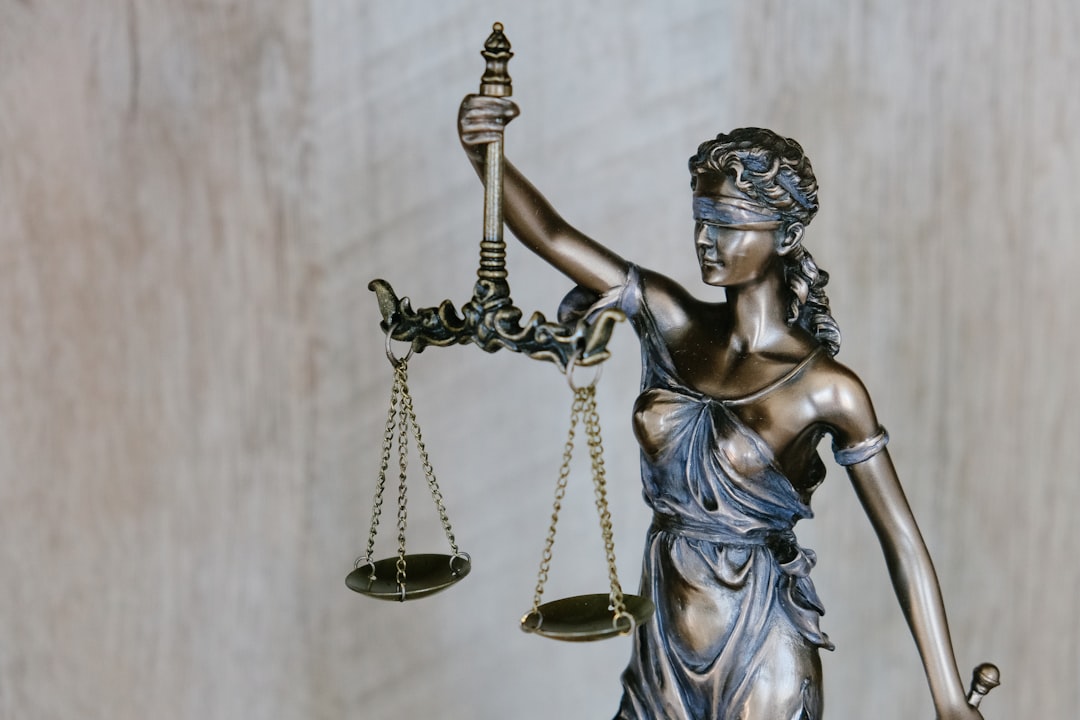
Understanding No-Call Laws in Delaware
No-call laws, a term often used interchangeably with Do Not Call (DNC) regulations, are provisions enacted by states or countries to protect consumers from unsolicited telemarketing calls and robotexts. In the context of Delaware, these laws are part of a broader consumer protection framework designed to safeguard residents' privacy and reduce unwanted solicitations.
Introduction
In an era where technology has made it easier for businesses to reach potential customers, the need for clear boundaries between legitimate business communication and nuisance calls has never been greater. Delaware's no-call laws are a testament to this necessity, reflecting a balance between consumer rights and the needs of businesses. This article will delve into the intricacies of these laws, their impact on society, and what they mean for both consumers and marketers.
Global Impact and Trends
The concept of no-call laws is not unique to Delaware; it's a global phenomenon with varying degrees of stringency across different jurisdictions. The proliferation of these laws reflects a growing concern over privacy and the increasing prevalence of telemarketing and scam calls. In this section, we will explore the international influence of such legislation, key trends shaping its trajectory, and how different regions are adapting to these changes.
Economic Considerations
The economic implications of no-call laws are multifaceted. On one hand, they protect consumers from fraudulent activities and unwanted solicitations, which can enhance consumer trust and loyalty towards businesses that respect these regulations. On the other hand, they present challenges for legitimate marketers who rely on outbound communication to reach potential customers. This section will analyze market dynamics, investment patterns, and the role of no-call laws within economic systems.
Technological Advancements
Technology has been both a challenge and a solution in the realm of no-call laws. The advent of caller ID spoofing, robocalls, and sophisticated spam text campaigns has led to the evolution of call-blocking technologies and apps. This section will review significant technological advancements related to no-call laws, their impact on consumer protection, and the future potential of these innovations.
Policy and Regulation
A robust legal framework governs no-call laws. These regulations are crafted by legislative bodies and enforced by regulatory agencies. This section will outline key policies, regulations, and legislative frameworks that govern no-call laws in Delaware and their influence on its development, including a comparison with federal regulations like the Do Not Call Implementation Act.
Challenges and Criticisms
No system is without its flaws, and no-call laws are not immune to challenges and criticisms. One of the primary concerns is the effectiveness of these laws in combating illegal robocalls and scams. Additionally, there is an ongoing debate about the balance between consumer protection and business freedom. This section will identify the main challenges faced by no-call laws, discuss criticisms from various stakeholders, and propose actionable solutions or strategies to overcome these issues.
Case Studies
To illustrate the practical application of no-call laws, this section will present a few in-depth case studies that exemplify successful applications and the lessons learned from them. These real-world examples will highlight both the positive outcomes and the obstacles encountered in enforcing these laws effectively.
Future Prospects
The future of no-call laws is likely to be shaped by technological advancements, evolving consumer behaviors, and the ongoing battle against fraudulent activities. This section will offer insights into potential growth areas, emerging trends, and strategic considerations for policymakers, businesses, and consumers alike.
Conclusion
In conclusion, no-call laws in Delaware are a critical component of consumer protection legislation. They strike a balance between safeguarding individual privacy and maintaining legitimate business communication channels. As technology continues to evolve, these laws will undoubtedly adapt to meet new challenges, ensuring that the rights of consumers are protected while allowing businesses to operate effectively within the law.
FAQ Section
-
What exactly are no-call laws?
No-call laws are regulations designed to limit unwanted telemarketing calls and robotexts to consumers who have registered their telephone numbers on a Do Not Call list.
-
How do I register my number on Delaware's no-call list?
Consumers in Delaware can add their phone number to the state's no-call list by visiting the official Delaware state website and following the registration instructions provided there.
-
Are all telemarketing calls illegal under no-call laws?
No, not all telemarketing calls are illegal. Calls from organizations with which you have an existing relationship or have given express permission to contact you are permissible.
-
What are the penalties for violating no-call laws in Delaware?
Violators of Delaware's no-call laws can face significant fines and legal action, depending on the severity and frequency of the infractions.
-
Can I still receive calls from political organizations or charities under no-call laws?
Yes, calls from nonprofit organizations, political groups, and certain other entities are generally allowed even if your number is registered on the no-call list.
This comprehensive overview of Delaware's no-call laws underscores their importance in protecting consumers while fostering an environment where legitimate businesses can thrive. As technology continues to advance, so too will the measures needed to enforce these critical consumer protections.
February 24, 2026
No Call Laws Delaware Expert
Dover, Delaware, navigates evolving telecommunications regulations targeting spam calls through advanced call tracking, staff training, data analytics, AI integration, and legislative awareness. Businesses adopt compliant strategies, including explicit consumer consent, personalized outreach, automa.......
Read more →
February 24, 2026
No Call Laws Delaware Expert
Seaford, Delaware residents facing consumer protection, legal, or business disputes can turn to No Call Lawyers Delaware for assistance. The organization guides clients through complaints against aggressive businesses and wrongdoers, empowers them with knowledge of their rights under the state'.......
Read more →
February 23, 2026
No Call Laws Delaware Expert
No Call Laws Delaware protect consumers from unwanted telemarketing calls by requiring businesses to obtain explicit consent and respect consumer opt-outs. Violations result in fines and legal repercussions. Consumers can register on the state's "Do Not Call" list, report unwanted cal.......
Read more →
February 23, 2026
No Call Laws Delaware Expert
Spam calls plague Delaware residents, with Laurel particularly affected. No Call Lawyers Delaware combat this through legal action, education, and blocking software, achieving 95% call reduction in six months. They collaborate with authorities, enforce do-not-call regulations, offer free consultatio.......
Read more →
February 23, 2026
No Call Laws Delaware Expert
Dover, Delaware, enforces strict Telemarketing Laws to combat spam calls, with key regulations including severe penalties for unsolicited calls, explicit consent requirements facilitated by Spam Call law firm Delaware, mandatory call disclosures, and best practices like do-not-call lists. Businesses.......
Read more →
February 22, 2026
No Call Laws Delaware Expert
Delaware's "no call" laws protect residents from unwanted telemarketing calls (8 a.m. to 9 p.m.) with penalties for violations. Key protections include registering on the state's Do Not Call list and consulting a No Call Attorney Delaware for persistent or aggressive telemarketer.......
Read more →
February 22, 2026
No Call Laws Delaware Expert
Delaware's No Call Laws, enforced by the Attorney General, protect residents from unwanted telemarketing calls. The Telephone Consumer Protection Act (TCPA) prohibits automated calls without prior consent. Consumers can register on the national Do Not Call Registry and use smartphone apps to bl.......
Read more →
February 22, 2026
No Call Laws Delaware Expert
Harrington, Delaware residents benefit from No Call Laws designed to curb unwanted telemarketing and scam calls. Key strategies include registering on the National Do Not Call Registry, using call blocking apps and phone features, and reporting suspicious calls to the Delaware Attorney General'.......
Read more →
February 22, 2026
No Call Laws Delaware Expert
No Call Laws Delaware have fundamentally reshaped marketing strategies in Newark, encouraging businesses to transition from intrusive cold calls to targeted, permission-based approaches. This shift emphasizes data-driven marketing, personalized messaging, and respect for consumer consent and privacy.......
Read more →
February 19, 2026
No Call Laws Delaware Expert
Sussex County, Delaware, excels in consumer protection through stringent implementation of No Call Attorney Delaware regulations, preventing unsolicited telemarketing calls and texts. The county's holistic approach includes community education, legal aid, and efficient complaint systems, leadin.......
Read more →